Introduction
Masonry has actually been a foundation of building layout and construction for centuries. The strategies utilized by experienced masonry specialists have evolved drastically from the old human beings that initially utilized the power of rock and block. In this post, we'll dive deep right into the world of masonry, exploring its abundant background, modern-day developments, and understandings from experienced experts in the field.
What is Masonry?
Masonry refers to the structure process that utilizes materials such as stone, block, or cinder block. It's an approach that not only stands the examination of time however additionally uses aesthetic charm and architectural honesty. With roots mapping back countless years, stonework has been pivotal in creating a few of mankind's most iconic structures.
The Development of Stonework Techniques
From Ancient Stones to Modern Structures: Insights on Masonry Techniques from Seasoned Contractors covers a wide variety of masonry methods. This evolution showcases how advancements have changed standard methods right into modern approaches.
Historical Summary of Masonry
- Ancient Civilizations: The Egyptians made use of stone blocks to develop significant frameworks like pyramids. Roman Innovations: The Romans developed the use of concrete, enabling extra complex designs. Medieval Masonry: Gothic basilicas showcased complex stonework that emphasized elevation and light.
Each duration added unique techniques that informed modern practices.
Essential Tools Made use of by Stonework Contractors
Understanding the devices made use of in masonry is critical for appreciating the craft. Below are some primary tools made use of by stonework contractors:
Trowel: Made use of for spreading mortar and shaping bricks. Level: Ensures structures are even. Masonry Saw: Puncture rocks and bricks with precision. Pointing Tool: For ending up joints in between stones.By understanding these devices, specialists make certain quality craftsmanship in every project.
Types of Stonework Techniques
Different types of stonework methods satisfy different architectural needs:
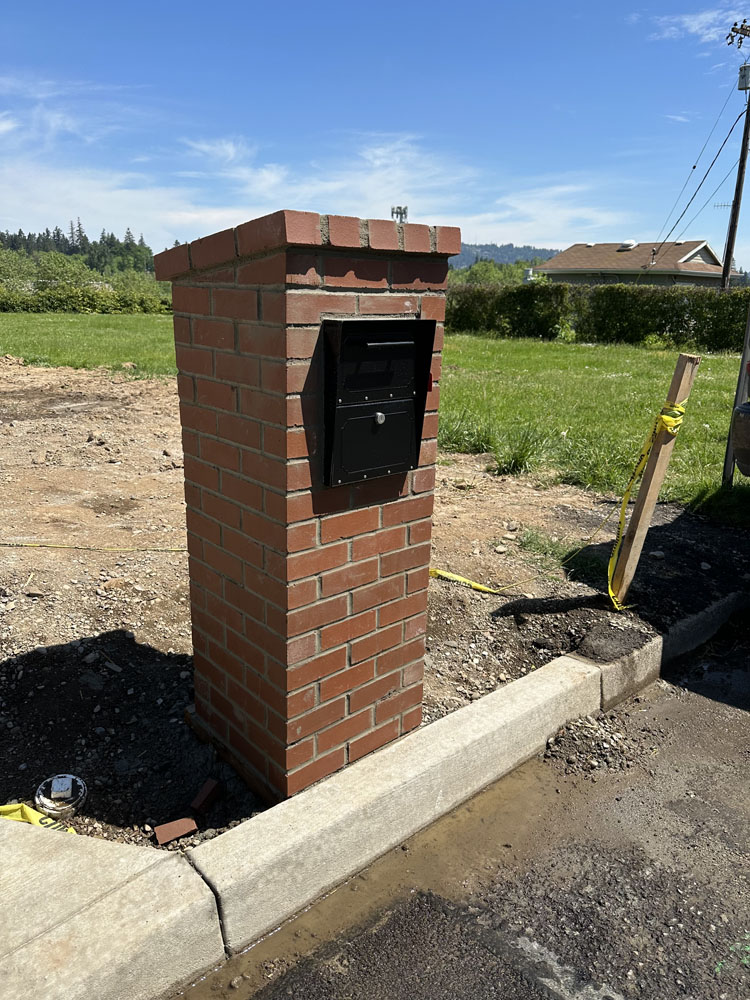
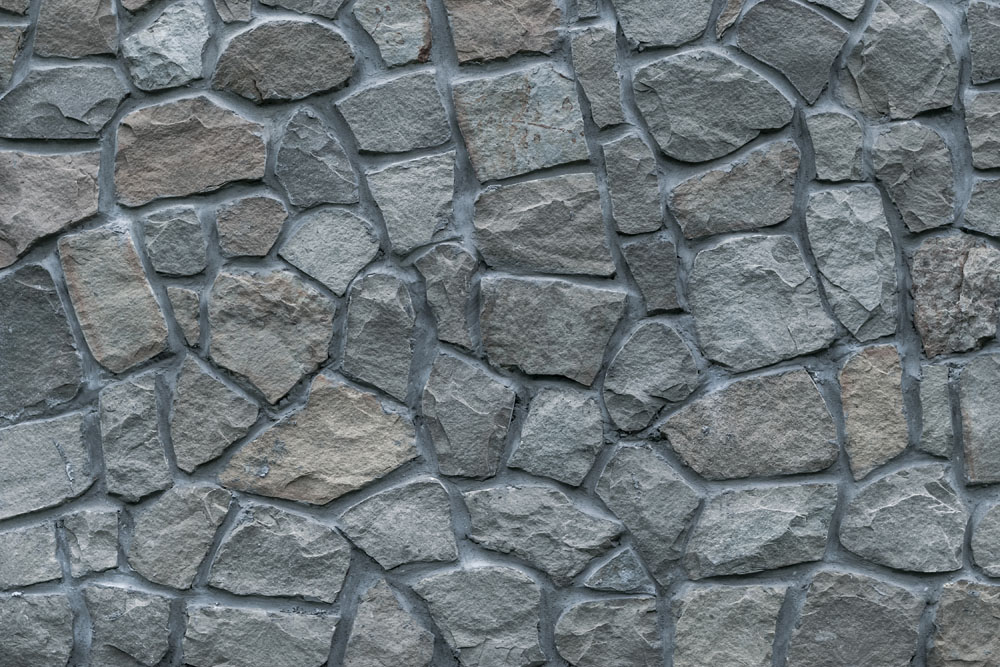
- Brick Masonry: Standard yet versatile, block gives outstanding thermal properties. Stone Masonry: Entails using natural rocks; terrific for durability and aesthetics. Concrete Block Masonry: Cost-efficient and strong; suitable for modern construction.
Each strategy has its benefits depending upon job requirements.
The Role of a Masonry Contractor
A masonry service provider plays a crucial function in both domestic and business jobs. They not only bring expertise yet also make certain compliance with building codes and regulations.
Responsibilities of a Stonework Contractor
Assessing Job Requirements Sourcing Quality Materials Overseeing Building and construction Processes Ensuring Security StandardsThese responsibilities highlight their essential function in effective building projects.
The Importance of Quality Materials
Using high-quality products can significantly affect the durability and look of a framework. Seasonal variations can affect product efficiency, which is why knowledgeable contractors stress picking appropriate products based upon ecological conditions.
Common Products Made use of in Masonry
- Clay Bricks Natural Stone Concrete Blocks Mortar Mixes
Each product serves its purpose while adding to general structural integrity.
Modern Developments in Masonry
As innovation advances, so do stonework methods. Modern developments include:
3 D Printing Technology: Enhancing building and construction processes. Eco-Friendly Materials: Sustainable options are acquiring grip amongst contractors. Advanced Mortars: Improve adhesion and longevity under varying weather condition conditions.These advancements present brand-new opportunities for architects and home builders alike.
Challenges Faced by Today's Masonry Contractors
Even seasoned service providers experience challenges:
- Weather problems can delay projects. Material shortages may develop unexpectedly. Adapting to brand-new innovations needs continual learning.
Addressing these obstacles is essential for keeping project timelines and top quality standards.
Safety Practices in Masonry Work
Ensuring security on-site is paramount for any masonry service provider:
Wearing Personal Safety Devices (PPE) Using scaffolding properly Proper training methodsImplementing these practices helps avoid accidents read more and injuries throughout construction activities.
Case Researches of Historical Structures Developed with Masonry
Examining historical frameworks supplies beneficial understandings into reliable stonework methods:
The Great Wall of China
Constructed over centuries, this monumental framework highlights old stonework strategies still admired today.
Colosseum in Rome
A wonder of Roman design, showcasing advanced concrete use throughout its time.
By studying these cases, contemporary contractors can glean lessons relevant to present projects.
Future Fads in Masonry
As we look in advance, numerous fads might form the future landscape of stonework:
Increased Use Prefabricated Units Enhanced Sustainability Practices Digital Cooperation ToolsThese trends suggest just how professionals need to continue to be versatile to prosper in a developing industry landscape.
Frequently Asked Concerns (FAQs)
1. What makes a good masonry contractor?
A great stonework contractor has experience, understanding about materials, interest to information, strong interaction abilities, and adherence to security procedures-- all vital high qualities that make certain effective job outcomes.
2. For how long does it take to complete a stonework project?
The timeline differs commonly relying on variables such as task dimension, complexity, material availability, weather conditions, and manpower effectiveness-- ranging from weeks for little jobs to months for larger building and constructions like structures or walls.
3. What are common problems encountered during stonework work?
Common issues consist of dampness infiltration resulting in mold and mildew growth or damage gradually; incorrect mixing proportions causing weak bond toughness; weather-related delays; or unforeseen structural issues uncovered throughout restorations or fixings-- each needing cautious monitoring by competent contractors.
4. Is it necessary to hire professionals for little stonework jobs?
While DIY fanatics may tackle small repairs or setups themselves if they possess adequate skills/knowledge regarding appropriate tools/materials entailed-- it's usually a good idea hiring experts ensures quality workmanship decreases prospective errors/costly blunders down roadway-- specifically when architectural stability at stake!
5. Are there green options readily available in masonry?
Yes! Several producers now produce lasting products developed especially minimize environmental effect-- such as recycled material bricks/concrete blends-- permitting clients develop responsibly without compromising style/functionality!
6. What maintenance does masonry call for over time?
Routine inspections should be conducted identify visible cracks/joint separation making certain seals intact protecting against water damages-- routine cleansing will additionally maintain surfaces looking fresh/appealing while protecting underlying structure integrity!
Conclusion
In conclusion, discovering the journey "From Ancient Rocks to Modern Frameworks: Insights on Stonework Techniques from Seasoned Specialists" reveals not simply background yet additionally development within this ancient craft-- a testimony resilience flexibility presented throughout centuries! With each passing decade comes up with new challenges & & chances shaping future landscape market, yet core principles craftsmanship continue to be unchanged leading hands experienced masons today towards developing magnificent long-lasting works architecture inspiring generations yet come!